California's Coastal Character: 840 Miles of Pacific Wonder
California's coastline is one of the great natural assets of North America — a 840-mile span of Pacific shoreline that encompasses nearly every type of coastal landscape imaginable, from sandy tropical-seeming coves to foggy, seal-crowded rocky headlands.
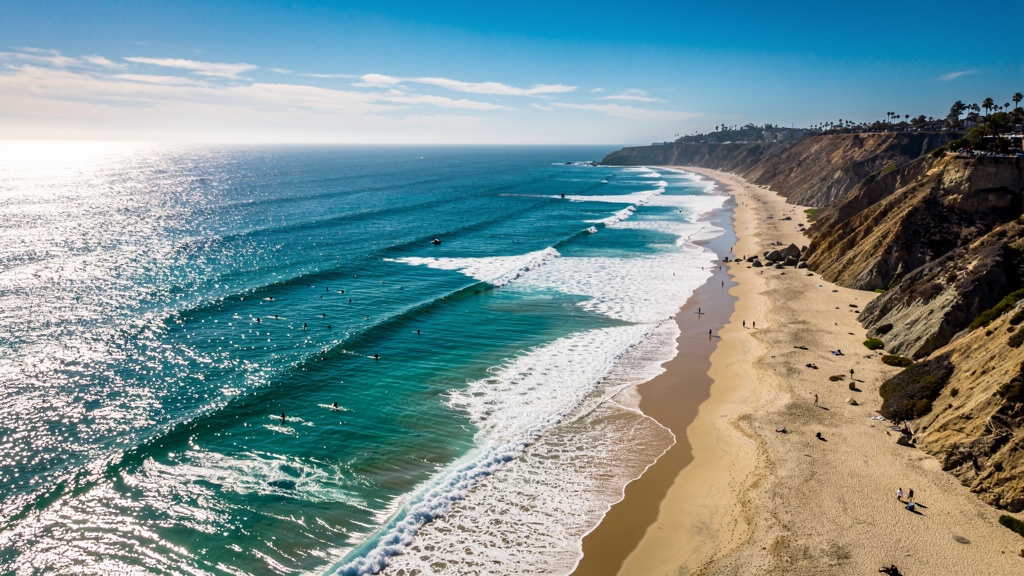
The California coast is shaped by the meeting of the Pacific Ocean with the North American continent along one of the most geologically active boundaries on Earth. The Pacific Plate grinds against the North American Plate along the San Andreas Fault system, creating the earthquake activity that California is famous for, and simultaneously uplifting the coastal ranges that give the shoreline its dramatic topographic character.
The result is a coastline of extraordinary variety. The Southern California coast, from San Diego north to Point Conception at the western tip of the Santa Barbara Channel, is characterized by wide, sandy beaches backed by coastal bluffs and low mountains — the classic California beach image. North of Point Conception, the coast changes character dramatically: the ocean becomes colder (due to the California Current, which carries cold water from the north), the weather more variable, and the landscape increasingly dramatic as the Santa Lucia Mountains plunge directly into the sea along the Big Sur coastline.
The Pacific Coast Highway (Highway 1) provides the most scenic driving route along the California coast, hugging the shoreline from Dana Point in Orange County north through Malibu, Santa Barbara, Big Sur, Carmel, and on to Bodega Bay north of San Francisco. Driving the full length of Highway 1 is one of the great American road trips — a journey through constantly shifting landscapes, with the Pacific glittering to the west and mountains or hills rising to the east.
Malibu: The Pacific Dream
Malibu is perhaps the most mythologized stretch of coastline in the world — a 27-mile ribbon of Pacific shore north and west of Los Angeles that has been the backdrop for California's beach culture since the 1950s. The Gidget films, the early Beach Boys records, and a century of Hollywood productions have fixed Malibu in the global imagination as the archetypical California beach: golden sand, perfect waves, sun-drenched celebrities, and the Pacific Ocean in all its blue magnificence.
The reality of Malibu is more interesting and more varied than the myth. The community of Malibu — incorporated as a city in 1991 — stretches along PCH from the Ventura County line in the north to the Los Angeles city limits in the south, encompassing everything from the famous celebrity estates of the Malibu Colony (a private gated community where the beach has been closed to the public for 70 years, despite ongoing legal efforts to establish public access) to wild, undeveloped coastal bluffs accessible only to hikers.
Zuma Beach, at the northern end of the Malibu coast, is the widest and sandiest of the Malibu beaches — a 105-acre stretch of white sand backed by dramatic coastal bluffs, with four lifeguard towers and some of the best body surfing conditions in Southern California. El Matador State Beach, a few miles north of Zuma, is the most dramatic of the Malibu sea-stack beaches: a rocky cove where enormous stone arches and sea stacks rise from the waves and sea caves can be explored at low tide. The beach is reached via a steep wooden staircase down the bluff, and the photographic opportunities — particularly at sunset, when the rocks cast dramatic shadows across the sand — are extraordinary.
Malibu Lagoon State Beach, at the mouth of Malibu Creek, is one of the most ecologically important coastal habitats in Southern California — a lagoon and estuary where dozens of species of shorebirds and waterfowl feed and nest, and where the Pacific's waves can be observed breaking over the Malibu Pier in a classic California tableau. The Adamson House, a 1929 Moorish Spanish Colonial Revival house decorated with extraordinary hand-painted Malibu Tiles, adjacent to the lagoon, offers guided tours on selected days and provides a window into early Malibu's aristocratic beach culture.
Surfrider Beach, at the base of the Malibu Pier, is the birthplace of modern surfing culture in California. The long right-point break here — clean, predictable, and accessible — was where Malibu's surfing community developed the longboard style that would spread globally in the 1960s. A National Landmark of Surfing, Surfrider still draws surfers from across California for its classic waves, though the break is significantly more crowded today than in the era of the Gidget films.
La Jolla: The Jewel of Southern California
La Jolla — the name means "the jewel" in Spanish, a name well earned — is one of the most beautiful coastal communities in the United States, and its beaches are among the finest in California. Perched on coastal bluffs above a series of sheltered coves, sea caves, and rocky tidepools in the northern suburbs of San Diego, La Jolla combines dramatic natural scenery with a sophisticated village atmosphere, world-class research institutions (the Salk Institute and UCSD are nearby), and some of the finest dining in San Diego County.
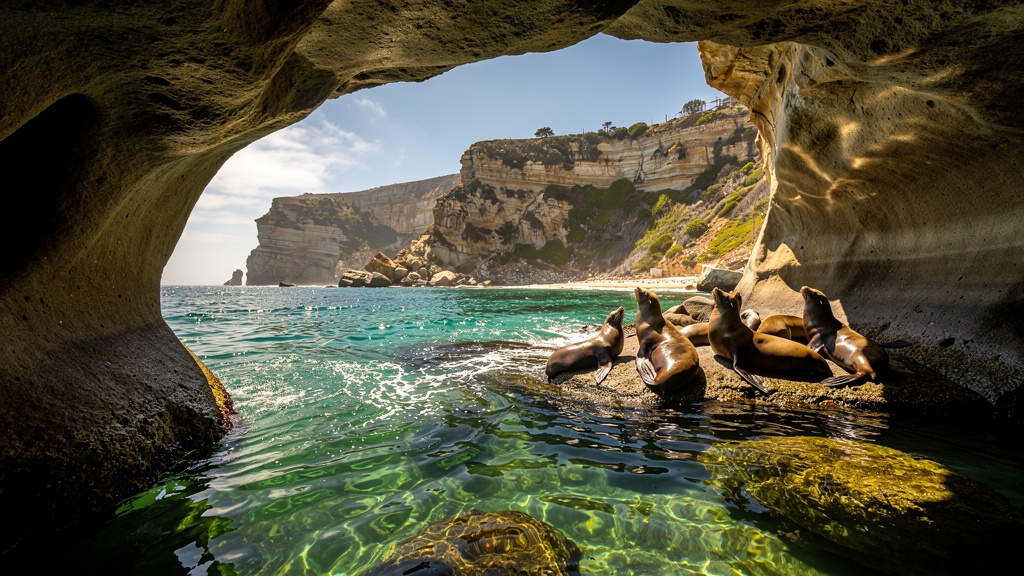
La Jolla Cove, the most visited of the community's beaches, is a small, protected sandy cove backed by a park and surrounded by sea-carved sandstone cliffs. The water here — protected from boat traffic and consistently clear — is extraordinarily beautiful: a shifting palette of blues and greens depending on the depth, the time of day, and the clarity of the sky. California sea lions haul out on the rocks adjacent to the cove year-round, creating a wildlife spectacle within a 5-minute walk of downtown La Jolla.
The Children's Pool — a small beach protected from waves by a concrete seawall built in 1931 — has become a famous flashpoint in the ongoing tension between wildlife protection and recreational access in California. The beach has been taken over by hundreds of harbor seals during their pupping season (December–May), and management of the beach alternates between seal-priority and human-access seasons.
La Jolla Shores, a wide, gently sloping sandy beach stretching north of La Jolla Cove, is the most family-friendly beach in the La Jolla area and one of the best beaches for beginning surfers and swimmers in San Diego County. The consistent, gentle breaks and relatively calm currents make it ideal for all levels of water activity. The adjacent Scripps Beach, fronting the Scripps Institution of Oceanography, offers some of the best snorkeling in San Diego, with extensive kelp forests just offshore.
Torrey Pines State Natural Reserve, at the northern end of La Jolla's coastline, protects both a pristine stretch of dramatic beach backed by 300-foot eroded sandstone cliffs and the Torrey Pines Gliderport (the oldest continuously operating glider port in the United States, established in 1928), from which hang gliders and paragliders launch into the coastal thermals on any windy afternoon. The beach here — accessed by steep staircases or trails down the cliff face — is one of the most naturally dramatic in Southern California, with the sandstone formations glowing orange and red in the late afternoon light.
The La Jolla Cave Store on Coast Boulevard provides access to Sunny Jim Cave — the largest of seven sea caves eroded into the La Jolla sandstone cliffs. A 145-step staircase carved directly into the rock leads down to the cave, which fills with ocean water at high tide and is accessible on foot at low tide. The cave was used for bootlegging during Prohibition and was named for Sunny Jim, a British breakfast cereal character of the early 20th century whose profile was said to appear in the cave entrance silhouette.
Huntington Beach: Surf City USA
Huntington Beach's claim to the title "Surf City USA" is contested (Santa Cruz has mounted a serious counter-claim), but the 8.5 miles of sandy beach, the consistent south and southwest swells, and the city's 100-year surfing history have earned it the designation more conclusively than any other California community. The city legally trademarked the "Surf City USA" name in 2004, settling the matter, at least officially.
Surfing came to Huntington Beach in 1914, when Hawaiian duke Kahanamoku — arguably the most important figure in the global spread of surfing — gave a demonstration on the beach. The conditions here are genuinely excellent: a wide, sandy beach with multiple peaks, consistent surf year-round (though the best conditions occur in late summer and fall when south swells from Southern Hemisphere storms arrive), and warm water by California standards (averaging 68–72°F in summer). The beach hosts the annual Vans US Open of Surfing, the largest surfing contest in the United States and one of the most attended beach events in the world, with over 500,000 spectators typically attending the week-long event in late July.
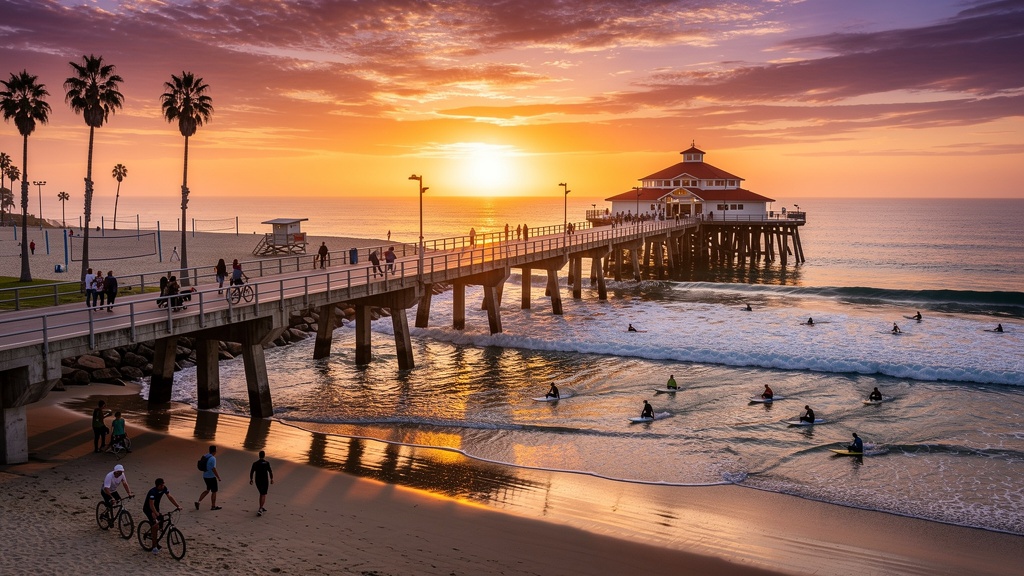
The Huntington Beach Pier, extending 1,856 feet into the Pacific Ocean (making it one of the longest piers on the West Coast), has been a community landmark since the first pier was built here in 1904. The current pier, rebuilt in 1992 following storm damage, houses the Huntington Beach Pier Plaza at its base — a gathering place for surfers, skaters, beachgoers, and families with a celebrated concentration of surf culture retailers, restaurants, and people-watching opportunities.
Bolsa Chica State Beach, immediately north of Huntington Beach, is one of the finest camping beaches in Southern California — 3 miles of wide, sandy beach backed by RV and tent camping sites directly adjacent to the sand. The adjacent Bolsa Chica Ecological Reserve, a 1,400-acre wetland tidal estuary undergoing major ecological restoration, is an exceptional birdwatching location where over 300 species of birds have been recorded, including great blue herons, snowy egrets, American avocets, and several species of peregrine falcon.
Santa Barbara: The American Riviera
Santa Barbara sits on a rare section of the California coast where the mountains run east-west rather than north-south, creating a city that faces due south rather than west. The result is a beach that receives sunlight from sunrise to sunset — and a community that has developed around outdoor living to a degree that even other California coastal cities find remarkable. The city's nickname, "The American Riviera," is not entirely fanciful: the combination of Mediterranean-influenced architecture (white stucco and red tile roofs mandated by the city's strict architectural standards since the 1920s), the blue harbor, and the Santa Ynez Mountains rising directly behind the city creates a visual character genuinely reminiscent of the French and Italian coasts.
East Beach, the city's most popular and family-friendly stretch of sand, extends east from Stearns Wharf (the oldest working wooden wharf on the West Coast, built in 1872) for approximately 1.5 miles to the edge of Montecito. The beach is wide, clean, and backed by Chase Palm Park — a linear park with picnic areas, a vintage carousel, and the Shipwreck Playground. Chase Palm Park's antique carousel ($3 per ride) is one of Santa Barbara's great community institutions, operated continuously since 1924.
Leadbetter Beach, immediately west of the harbor, is the city's most popular beach for beginners surf lessons, calm-water swimming, and year-round recreation. The beach is oriented to catch afternoon offshore breezes, making it ideal for sailing and kayaking. The Santa Barbara Harbor, adjacent to Leadbetter, is home to the largest yacht harbor between San Francisco and Los Angeles, with over 1,000 pleasure boats moored alongside commercial fishing vessels and whale-watching tour boats.
The Santa Barbara coast is extraordinary for its winter whale-watching opportunities. The Santa Barbara Channel serves as a migration corridor for gray whales (December–April), blue whales (June–September), and humpback whales (year-round, peaking in spring and summer). Daily whale-watching tours depart from the harbor, and dedicated spotters using telescopes from East Beach regularly report sightings from the shore. On peak migration days, blue whales — the largest animals ever to have lived, reaching up to 100 feet and 200 tons — can sometimes be seen from the beach itself.
Big Sur: Where the Mountains Meet the Sea
Big Sur is not a town or a city but a stretch of coastline — approximately 90 miles of Highway 1 between San Luis Obispo in the south and Carmel in the north — where the Santa Lucia Mountains descend dramatically and directly to the Pacific Ocean, creating some of the most spectacular coastal scenery in the world. The combination of 5,000-foot mountain ridges, rugged sea cliffs, redwood canyons, and wild Pacific surf creates a landscape of overwhelming beauty that has drawn writers, artists, and seekers of transcendence for over a century.
Henry Miller, who lived in Big Sur for 16 years and wrote Big Sur and the Oranges of Hieronymus Bosch there, described it as "the face of the earth as the Creator intended it to look." Jack Kerouac spent a tortured summer here in 1960 (documented in his novel Big Sur). The Esalen Institute, founded at the Hot Springs in 1962, became the birthplace of the human potential movement and has hosted virtually every influential thinker, artist, and spiritual teacher of the past 60 years. The Henry Miller Memorial Library in Big Sur village carries this bohemian literary tradition forward as an independent bookshop, art gallery, and event space in a redwood grove.
Pfeiffer Beach, accessed via a narrow, unmarked road off Highway 1 south of Big Sur village, is one of the most dramatic beaches in California: dark purple sand (colored by manganese garnet eroded from the surrounding cliffs), enormous wave-carved sea arches, and, during certain sunsets, the remarkable "Keyhole" effect when the setting sun aligns perfectly with one of the arches and floods the beach with golden light. The beach requires a short hike and a small parking fee but is genuinely extraordinary.
McWay Falls in Julia Pfeiffer Burns State Park — an 80-foot waterfall that drops directly onto a pristine sandy beach accessible only by sea — is California's most photographed coastal feature. The falls flow year-round, fed by a coastal stream that plunges over the cliff edge, and the view from the Overlook Trail above is one of those rare natural compositions that appears almost impossible: a perfect cove of clear water, bounded by forested cliffs, graced by a waterfall that seems to have been placed there by a landscape architect of extraordinary skill.
Carmel-by-the-Sea: An Artist Colony's Gift
Carmel-by-the-Sea is an anomaly among California coastal communities — a small, fiercely independent village of fewer than 4,000 permanent residents that has resisted virtually every form of modern development: no traffic lights, no street addresses (mail is collected from the post office), no chain restaurants, and no high-rise buildings. The result is an astonishingly well-preserved example of a California artists' colony, with a village center of cottage architecture, independent galleries, and artisan food establishments set one block from one of the finest beaches on the coast.
Carmel Beach, the town's jewel, is a crescent of white powdered sand backed by Monterey cypress trees of extraordinary sculptural beauty — their wind-twisted forms providing some of California's most distinctive coastal silhouettes. The beach faces due west, creating sunset views of theatrical quality: the cypress trees in black relief against skies of orange, pink, and purple, the Pacific glittering with the last of the day's light. The beach is clean, dog-friendly (one of the rare California beaches where dogs are allowed off-leash), and remarkably uncrowded given its extraordinary beauty.
Point Lobos State Natural Reserve, two miles south of Carmel, is frequently described as "the greatest meeting of land and water in the world" (the naturalist Francis Caldwell's phrase, borrowed from an early 20th-century writer who can no longer be identified). The reserve's 554 acres encompass rocky headlands, sea caves, kelp forests, and numerous coves of crystalline water, all connected by trails through coastal scrub and pine forest. Underwater visibility in the coves can exceed 70 feet on calm days, making Point Lobos a destination for snorkelers and scuba divers from across California.
Northern California Beaches: Wild & Dramatic
North of the Golden Gate, the California coastline changes character profoundly. The water becomes cold (the California Current brings subarctic water southward along the coast, keeping ocean temperatures in the 50s°F year-round), the atmosphere more dramatic and variable, the landscape more rugged and less developed. The beaches here are not for sunbathing — they are for hiking, wildlife watching, storm-watching in winter, and experiencing the full, unmediated power of the Pacific Ocean.
Point Reyes National Seashore, one hour north of San Francisco, contains some of the most spectacular coastal hiking in California. The Point Reyes Lighthouse, at the tip of the peninsula, sits in one of the windiest spots on the entire Pacific Coast — gusts regularly exceed 80 mph in winter — but the views of the open ocean and the whale-watching opportunities (gray whales pass close to the lighthouse during their winter migration) are extraordinary. The Drake's Beach section of Point Reyes offers more sheltered conditions and is the landing site of Sir Francis Drake's 1579 expedition — the first landing of a European on the coast of what would become Northern California.
Stinson Beach, at the southern end of Point Reyes, is the most popular ocean swimming beach in the Bay Area — despite being only 54°F in summer. The combination of stunning scenery (the beach faces south and west, with the rugged hills of the Marin Headlands rising to the east), a convivial beach community, and proximity to Muir Woods makes Stinson Beach/Muir Woods one of the great California day trips from San Francisco.
The Lost Coast, a 25-mile stretch of Humboldt and Mendocino County coastline so rugged that Highway 1 was rerouted inland in the 1930s, offers the most remote and undeveloped coastal hiking in California. The Lost Coast Trail, a 25-mile route along the beach and tidal zone, requires careful timing with tides, two to four days, and a permit, but rewards those who undertake it with an experience of complete wildness — old-growth forests meeting black sand beaches, elephant seals on the rocks, no roads, no cell service, and the Pacific in its most uncompromising form.
Surfing California: From Beginner to Expert
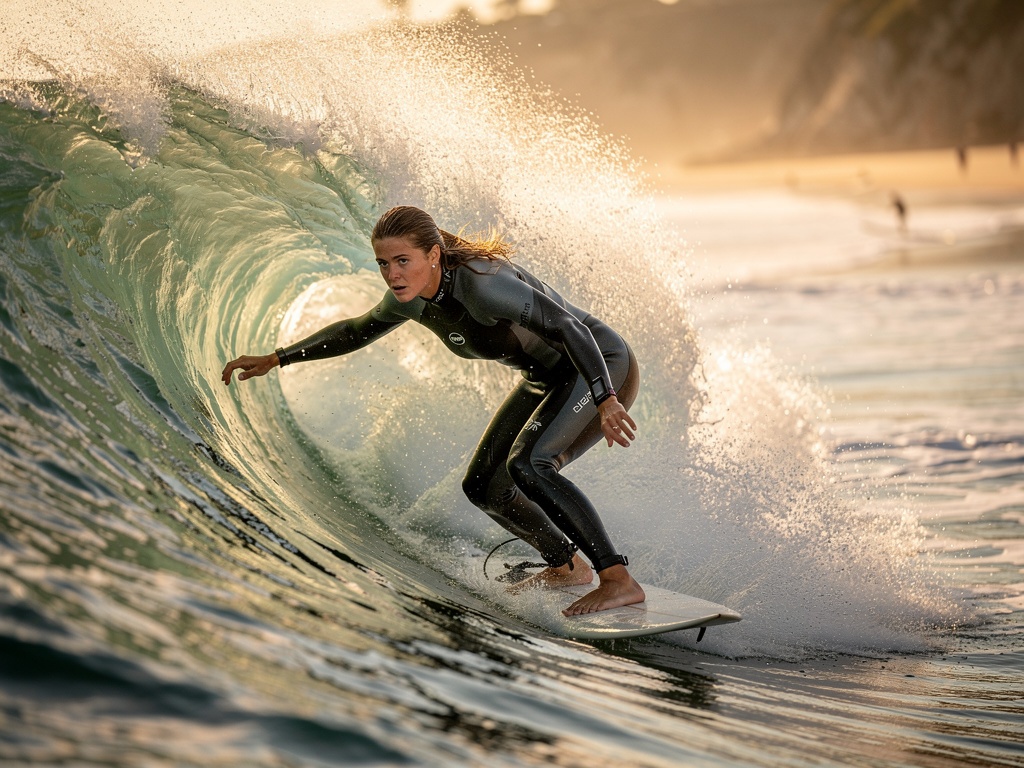
Surfing is California's defining outdoor sport — the activity most synonymous with California's identity, lifestyle, and self-image. The sport arrived in California in the early 20th century (Duke Kahanamoku's 1914 Huntington Beach demonstration is the canonical starting point) and has been central to California's beach culture ever since. Today, approximately 2.9 million Americans surf regularly, and the vast majority learned in California.
California's surfing geography is extraordinarily varied. The state offers point breaks (where waves wrap around a headland), beach breaks (where waves break over a sandy bottom), reef breaks (over submerged rock shelves), and river mouth breaks (where sandbar formations created by river sediment deposit create distinctive wave patterns). This variety means that regardless of skill level, swell direction, or time of year, a rideable wave can be found somewhere on the California coast.
For beginners, the best California surf lessons are available at Cowell's Beach in Santa Cruz (gentle, consistent waves over a sandy bottom), the Santa Monica/Venice boundary area (mellow beach break suitable for longboards), and La Jolla Shores (calm conditions, professional instruction from numerous surf schools). Lessons typically cost $80–120 per person for a group session including equipment; most schools guarantee that students will stand up on a board during their first lesson.
California's expert surf breaks include some of the most challenging and celebrated waves in the world. Mavericks, at Half Moon Bay south of San Francisco, is one of the world's premier big-wave surf breaks — a reef that produces waves of 20–80 feet in height during major winter swells, attracting the world's top big-wave surfers for its annual invitational contest (held when conditions reach the required threshold). The coldness of the water (55°F year-round) and the geographic isolation of the break make Mavericks a purely elite destination; spectators typically watch from the cliffs above Pillar Point.
Steamer Lane in Santa Cruz — a complex of reef breaks on the west side of the Santa Cruz Boardwalk — produces some of the finest right-hand point breaks on the California coast and is arguably California's most consistent and well-organized surf community. The Santa Cruz Surfing Museum, housed in the Mark Abbott Memorial Lighthouse above Steamer Lane, is the oldest surfing museum in the world and documents the sport's history on the Monterey Peninsula from the 1930s to the present.
The California surf calendar has distinct seasonal patterns. Winter swells (November–March), generated by Pacific storms, produce the largest and most powerful waves, ideal for experienced surfers at exposed breaks. Spring (April–June) is often the flattest period, with smaller but cleaner conditions suitable for beginners. Summer south swells (July–September) bring the most consistent and widespread activity, particularly in Southern California, as storms in the Southern Hemisphere generate long-period swell that travels thousands of miles to arrive clean and well-organized at California's south-facing beaches.
California's Extraordinary Coastal Wildlife
The California coast supports one of the richest concentrations of marine wildlife in the Pacific Ocean, sustained by the cold, nutrient-rich water of the California Current and the upwelling zones along the coast that bring deep, mineral-laden water to the surface, fueling massive blooms of phytoplankton that form the base of an extraordinary food web.
The California elephant seal is one of the coast's most spectacular residents — a massive pinniped whose bulls can exceed 14 feet in length and 2,200 pounds. The elephant seal population collapsed to fewer than 100 individuals in the early 20th century due to hunting, but has rebounded magnificently to over 200,000 animals. The largest accessible elephant seal colony in California is at Año Nuevo State Park (approximately 50 miles south of San Francisco), where massive breeding aggregations occur from December through March, with pups born from late December through January and weaned by late February.
The California sea otter, once hunted nearly to extinction for its dense, silky fur (the finest of any mammal), has been a conservation success story since the 1970s. The current population of approximately 3,000 animals is concentrated along the Central Coast between Año Nuevo and Point Conception, and can readily be observed from shore at Moss Landing (in Monterey Bay), Morro Bay, and the kelp beds of Monterey Bay itself. Sea otters are keystone species in the kelp forest ecosystem — their predation on sea urchins prevents urchin overgrazing from destroying the kelp forests that support hundreds of other species.
The annual gray whale migration — the longest migration of any mammal, approximately 10,000 miles round-trip between feeding grounds in the Bering Sea and breeding lagoons in Baja California — passes directly along the California coast from December through April. Gray whales can often be seen from shore at Point Reyes, Point Bonita, and Point San Pedro, as they tend to hug the coastline closely during their southbound migration. Northbound adults with calves in April and May are sometimes visible from shore even in heavily developed areas like the La Jolla bluffs and Santa Barbara's Shoreline Park.
Beach Safety & Practical Visitor Tips
🌊 Rip Current Safety
Rip currents — channels of fast-moving water flowing away from shore — are present at many California beaches and account for 80% of lifeguard rescues. If caught in a rip current, do NOT swim directly back to shore against the current. Instead, swim parallel to the beach until you are out of the current's pull, then swim back to shore. Alternatively, float and conserve energy while drifting — most rip currents dissipate within 100 yards of shore. Always swim near lifeguard stations and pay attention to posted warning flags.
🌡 Water Temperature
California's ocean temperatures vary significantly by region and season. Southern California (San Diego to Santa Barbara): 65–74°F in summer, 55–60°F in winter. Central Coast (Santa Barbara to San Francisco): 55–62°F in summer, 50–55°F in winter. Northern California (north of SF): 50–58°F year-round. In Northern and Central California, wetsuits are strongly recommended for swimming or surfing; hypothermia is a genuine risk even in summer for unprotected swimmers spending more than 30 minutes in the water.
🐊 Shark Safety
California's coastal waters are home to great white sharks, particularly along the central and northern coast where juvenile white sharks feed in nearshore waters. The risk to swimmers and surfers, while real, is statistically very low — there are typically 5–10 unprovoked shark incidents in California waters per year, with fatal attacks extremely rare. The greatest risk is for surfers in poor-visibility water and at dawn or dusk when sharks are most active. Heed any shark activity warnings posted at beaches; don't swim with bleeding wounds; and avoid areas with sea lions, which are a shark's primary prey.
☀️ Sun & Heat Safety
California's beaches receive intense solar radiation year-round; the UV index regularly reaches 10–11 (extreme) from April through October. Apply broad-spectrum SPF 50+ sunscreen at least 20 minutes before sun exposure and reapply every 2 hours and after swimming. Reef-safe sunscreens are strongly preferred to protect California's marine ecosystems — avoid products containing oxybenzone and octinoxate. Bring a beach umbrella for shade. Hydrate consistently — the combination of ocean activity and sun exposure causes significant fluid loss even when you don't feel thirsty.
📌 General California Beach Tips
- Most California State Beaches charge a day-use parking fee ($10–15); arrive early on weekends as lots fill quickly
- Fires are only permitted in designated beach fire rings, and wood smoke fires have been banned in some counties; bring charcoal if you want to grill
- Leave No Trace: all trash must be removed from the beach — there are no permanent trash cans at most state beaches
- Dogs are prohibited on most California beaches unless explicitly indicated; exceptions are noted in beach descriptions above
- Beach wheelchair and disability-accessible equipment is available at many state beaches; contact the specific beach for details
- Junior Lifeguard programs operate at many LA County and San Diego County beaches during summer — excellent for children 9–17